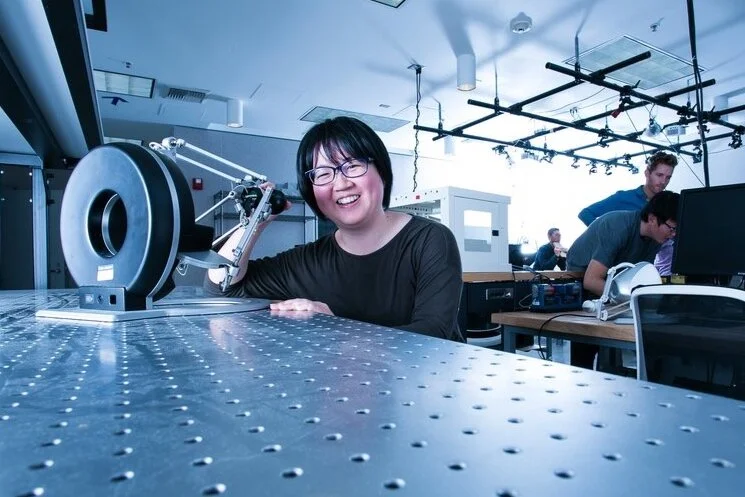
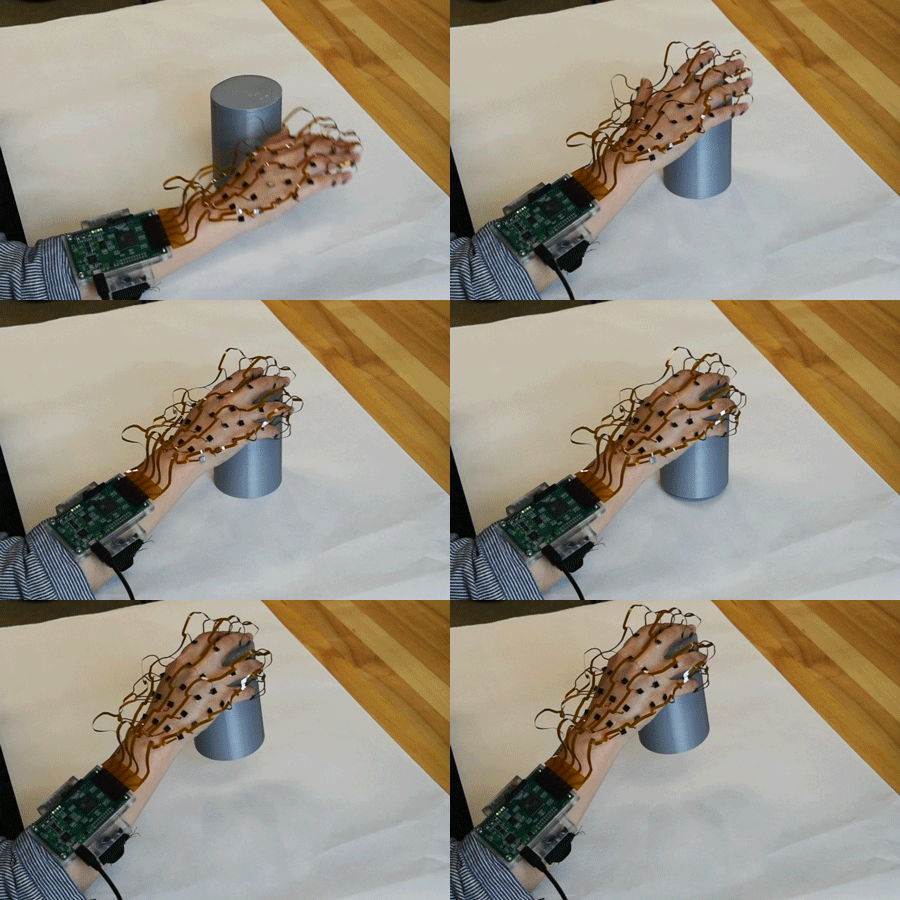
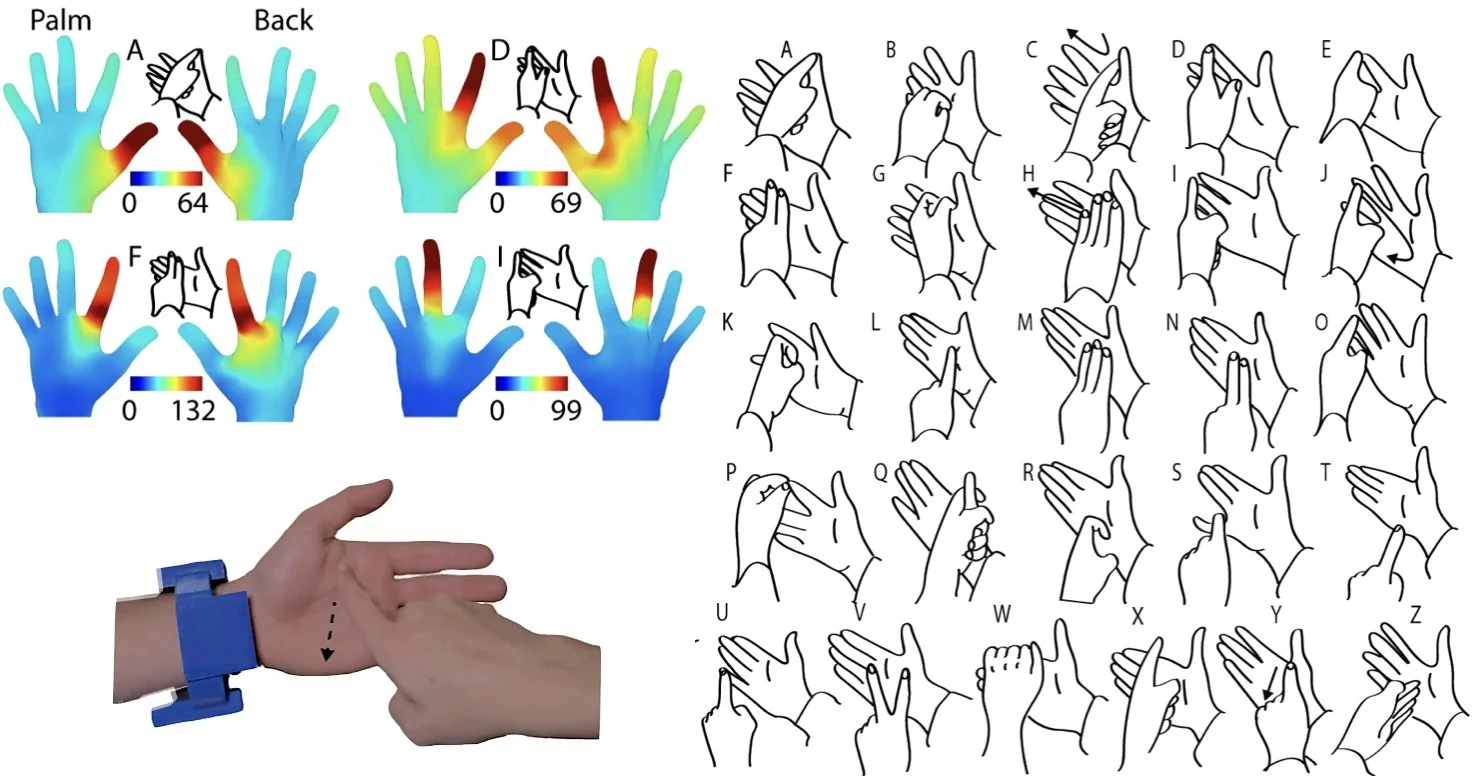
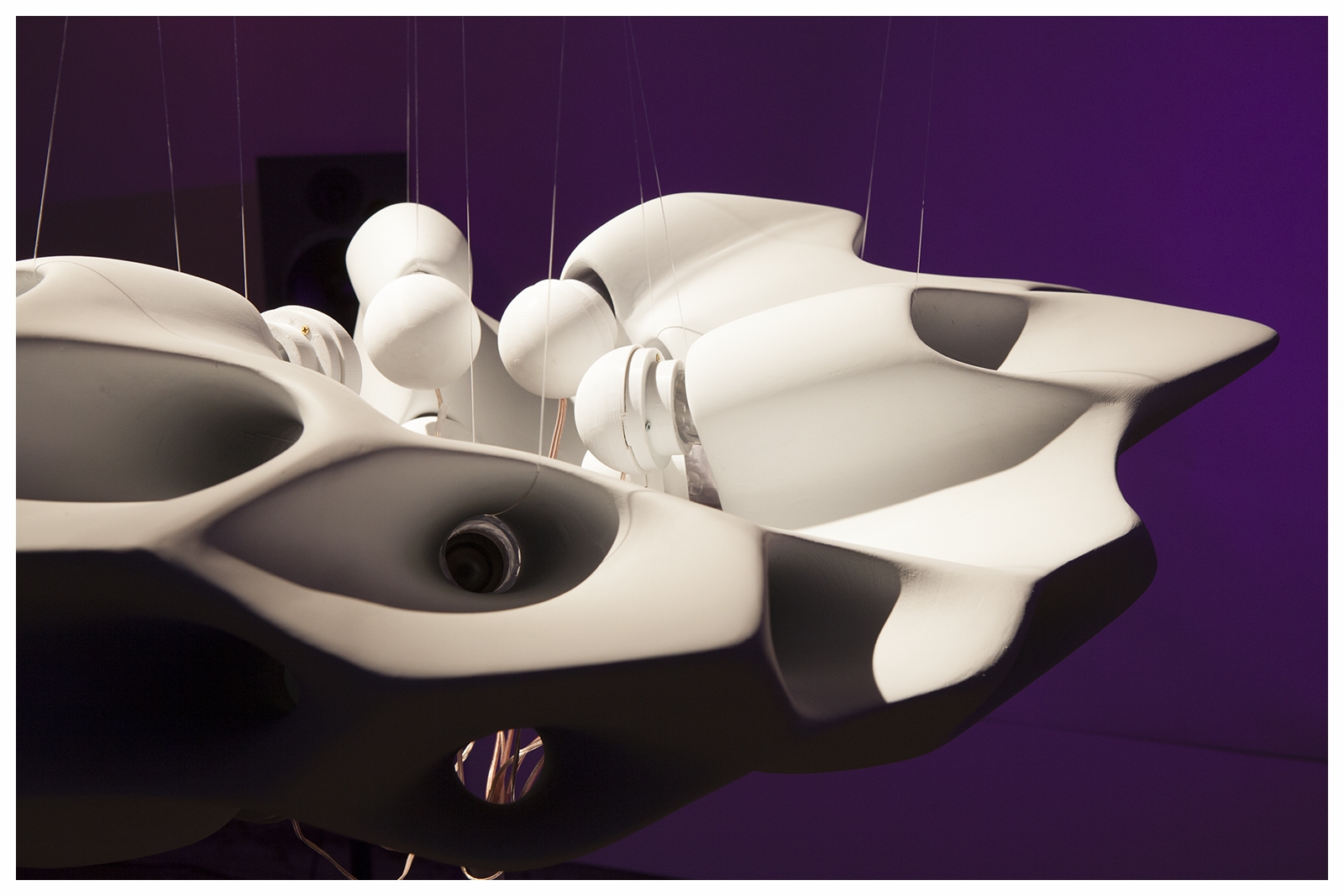
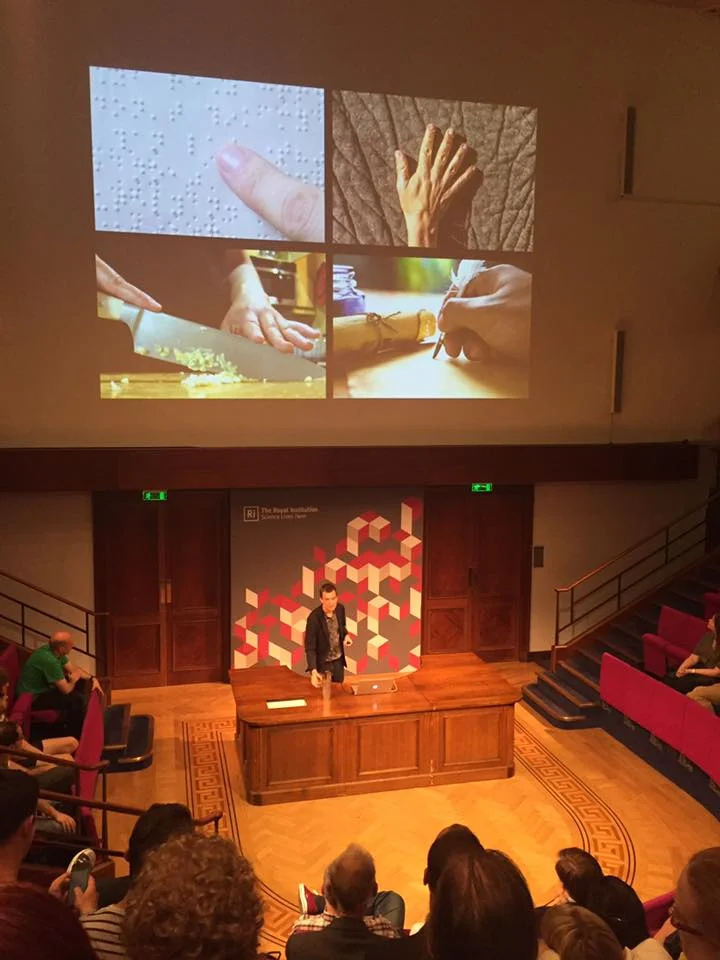
The RE Touch Lab is directed by Yon Visell. We create haptic technologies, tools, systems, and devices with the goal of expanding the feasible design space, and expressive space, of physical interactions with computing.
Our work is grounded in what is physically possible and manufacturable, not on what is convenient or aligns with our preferred methods. Since the only limits are those of imagination, physics, and scales of economy, the subject turns from what can be done, toward a more interesting (if daunting) question: What should be done? Or, simply put, how can we help?
Although more philosophical than executive, this spirit often leads us along roads less travelled.
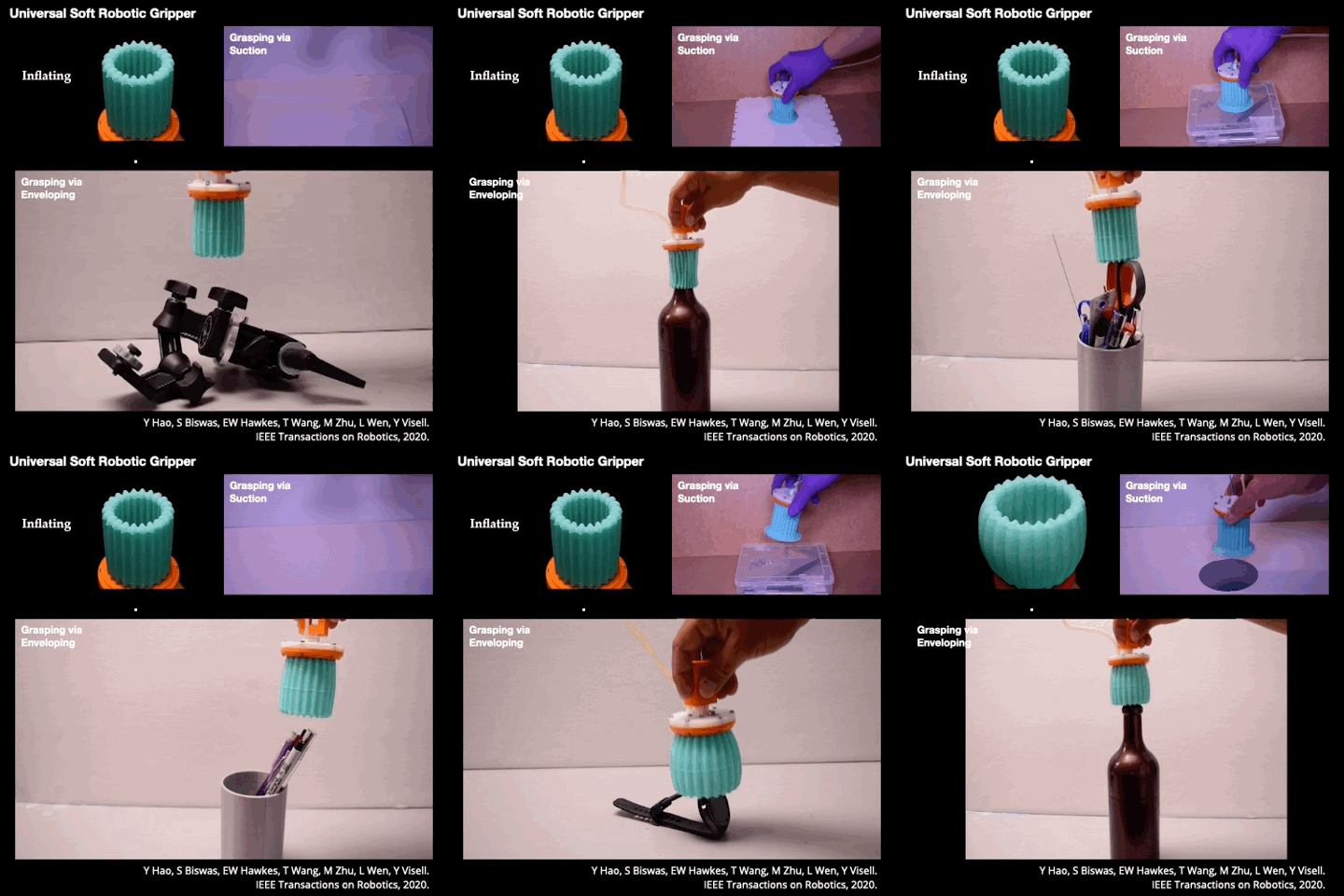
Physical and Computational Convergence: We harness physics to realize new devices, transducers, and systems. We amplify what is possible using hybrid architectures that merge software, AI, signal processing, and devices - physical and virtualized.
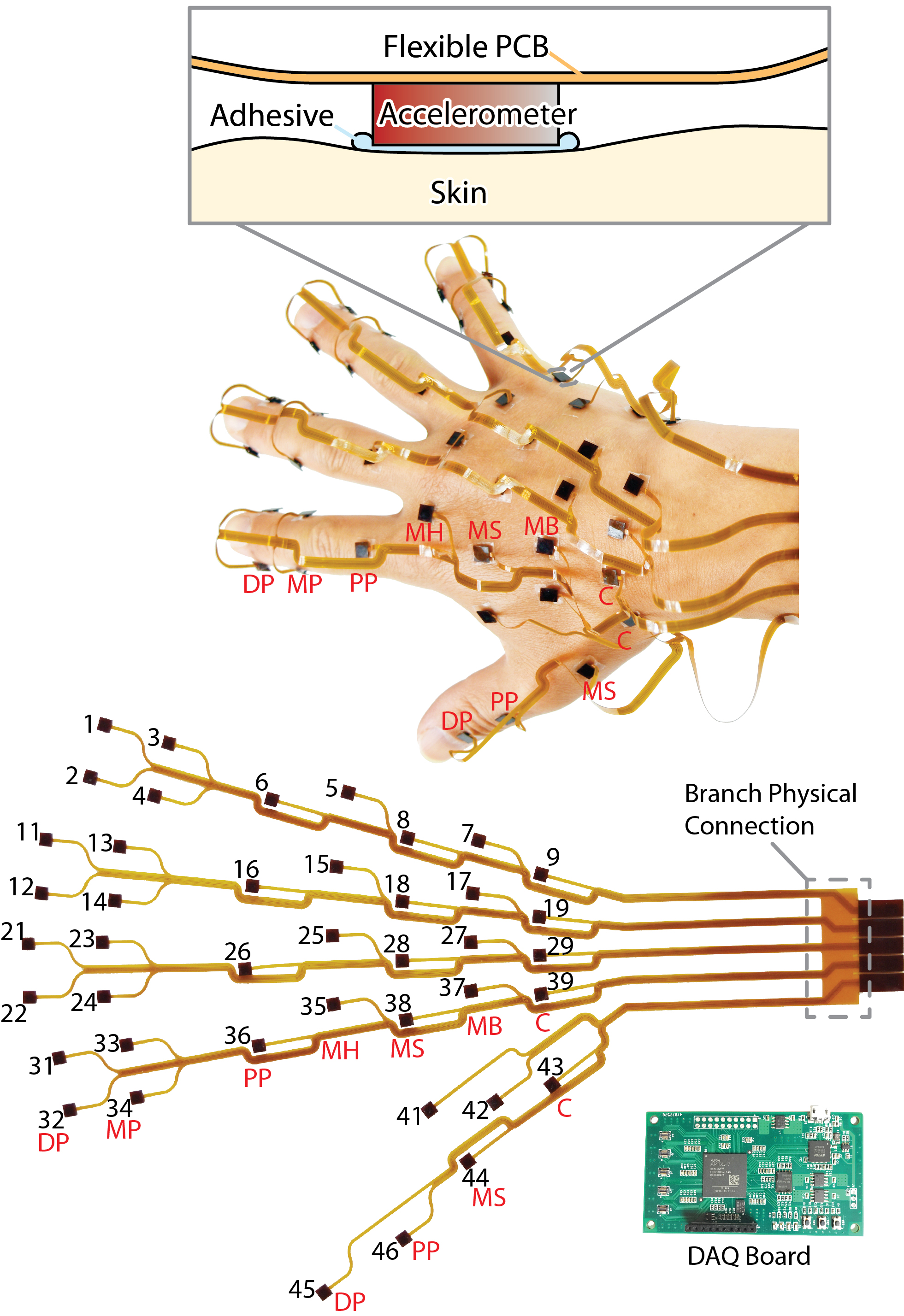
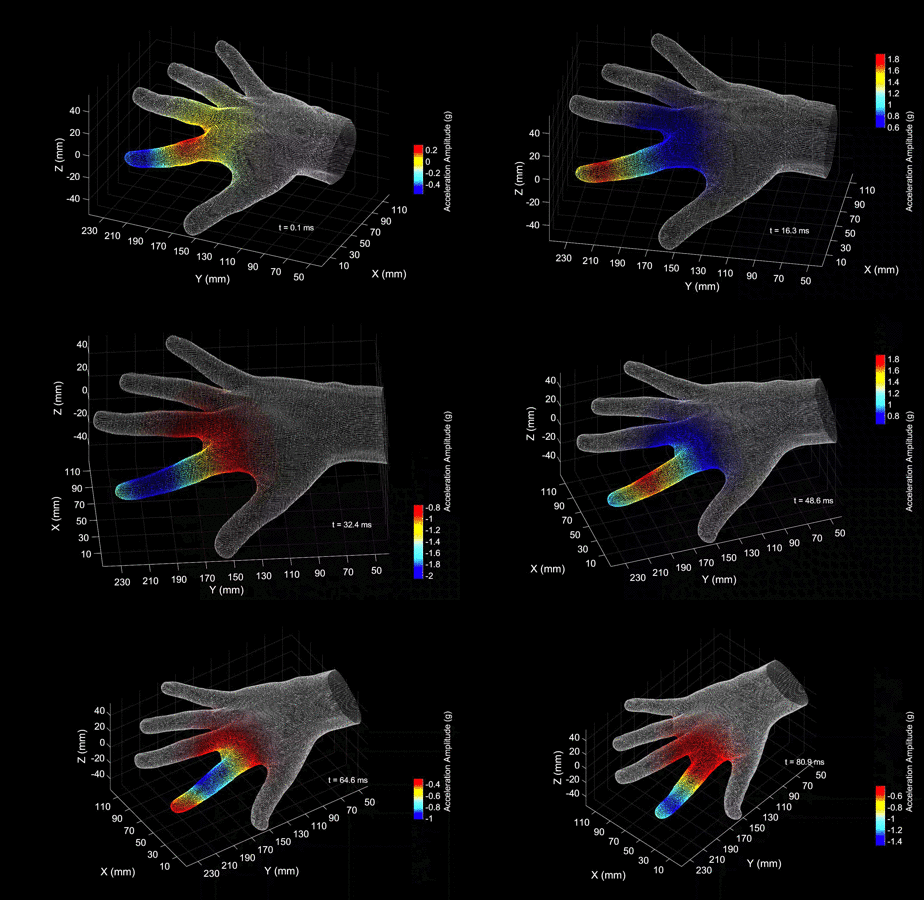
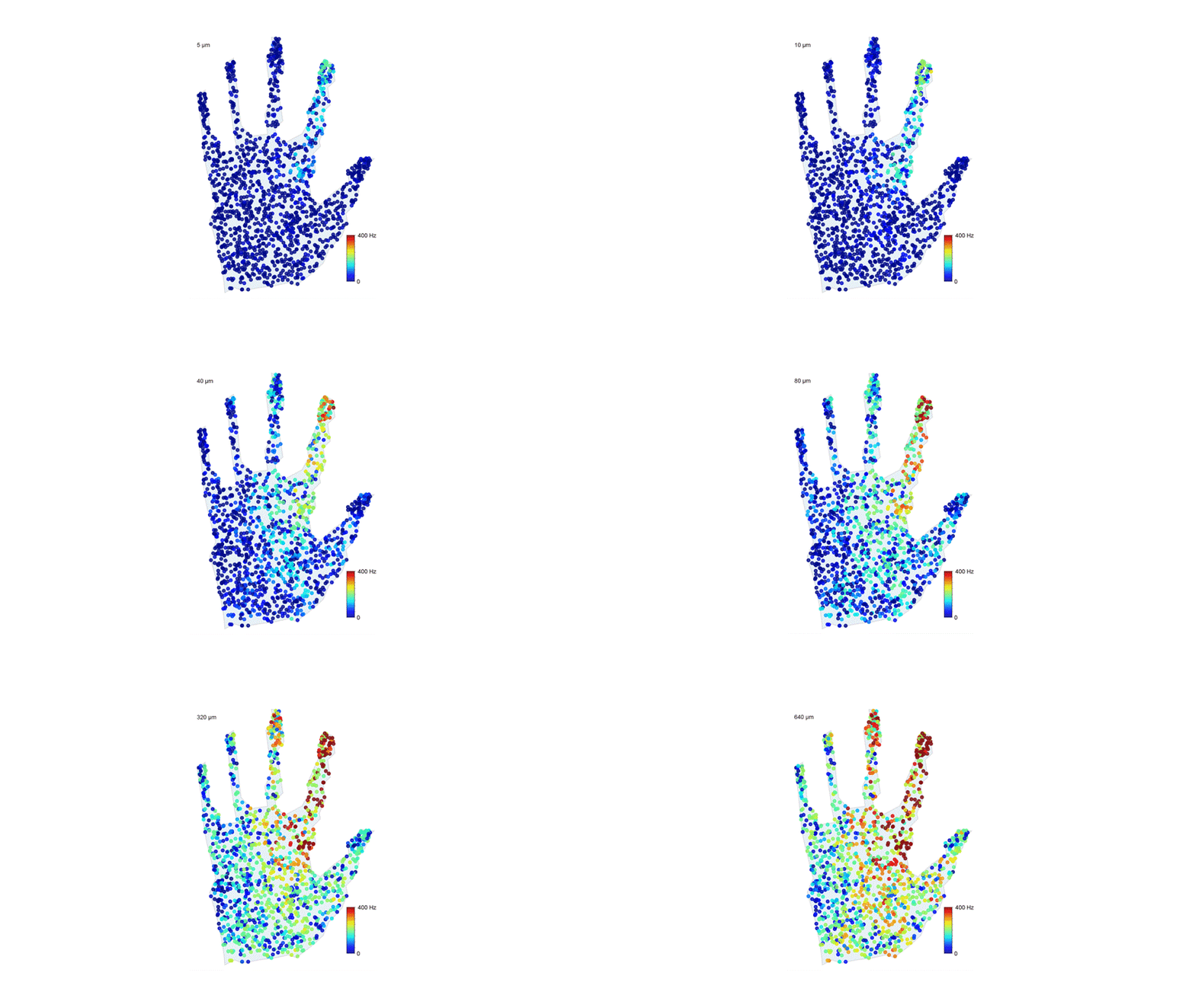
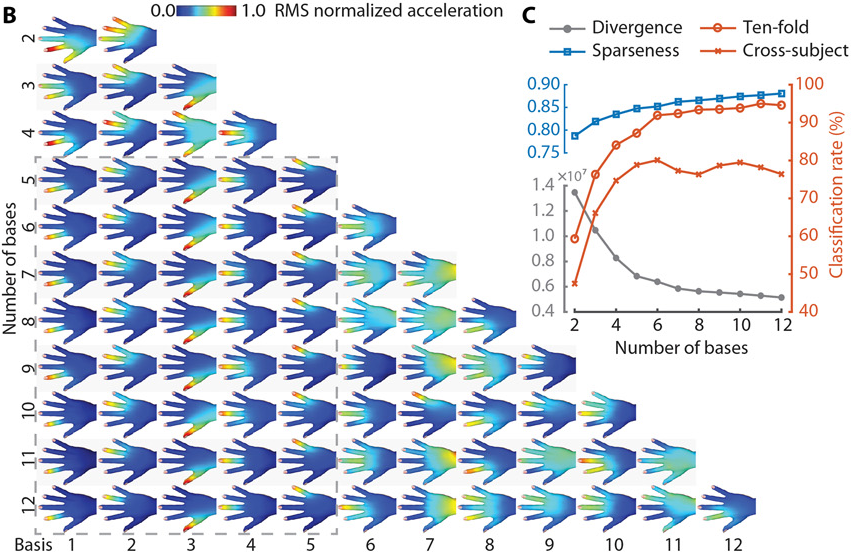
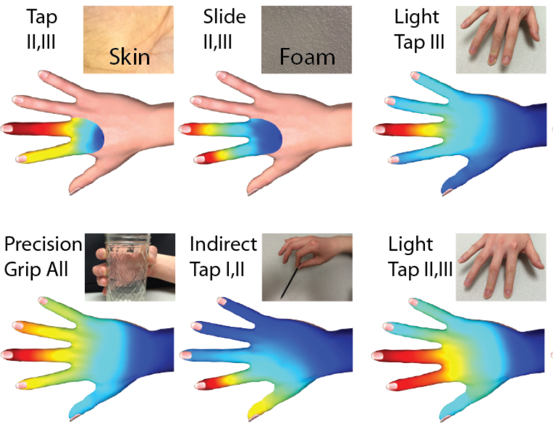
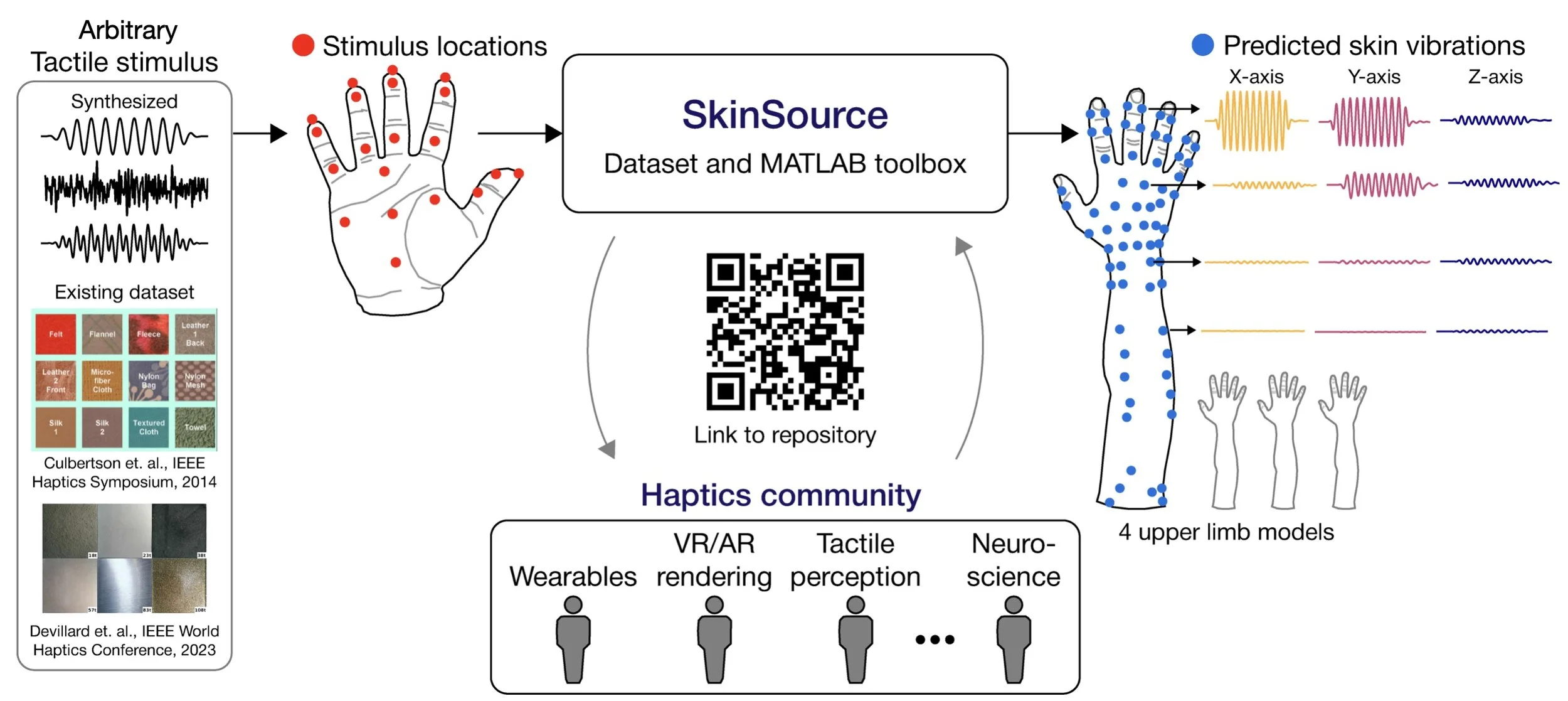
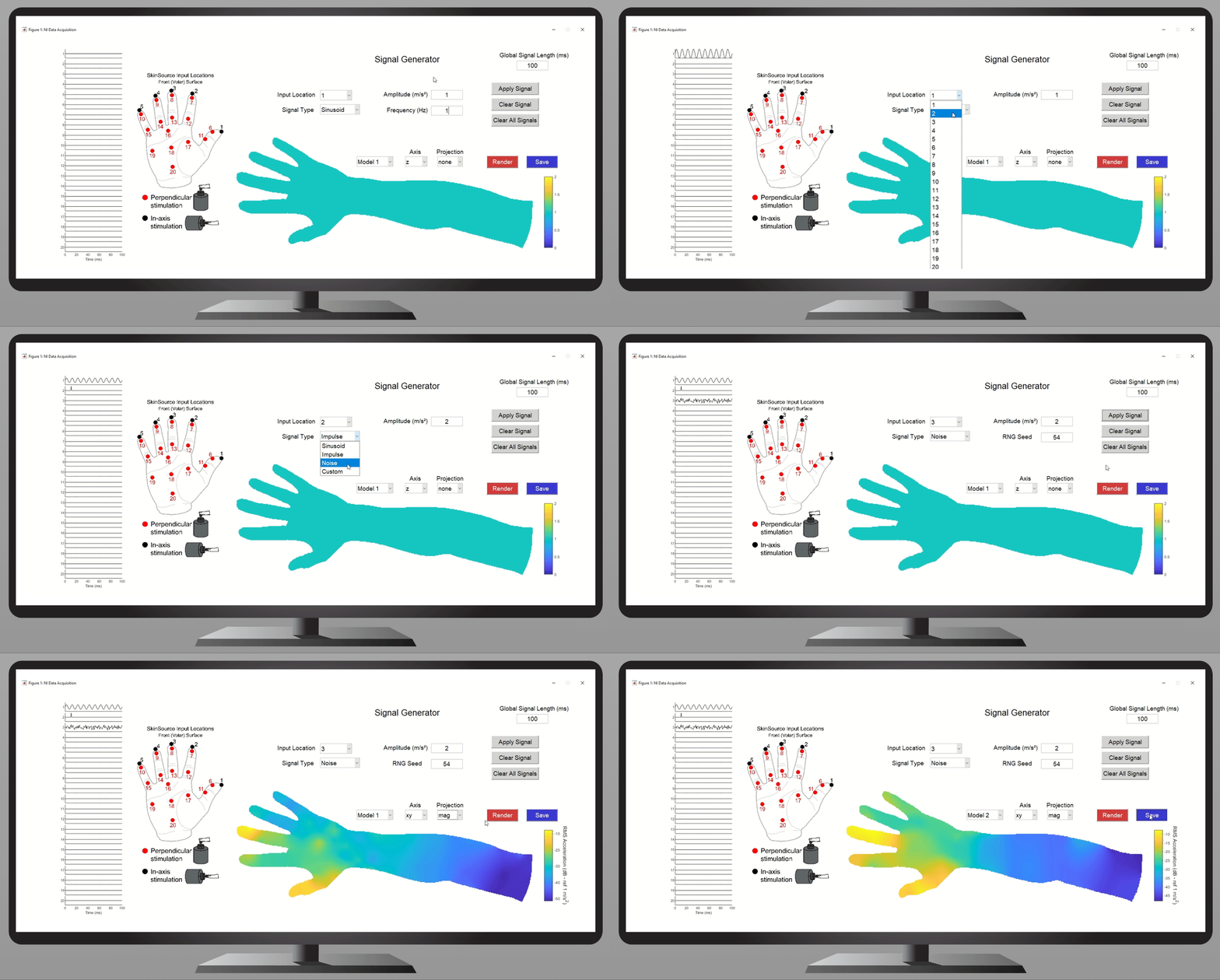
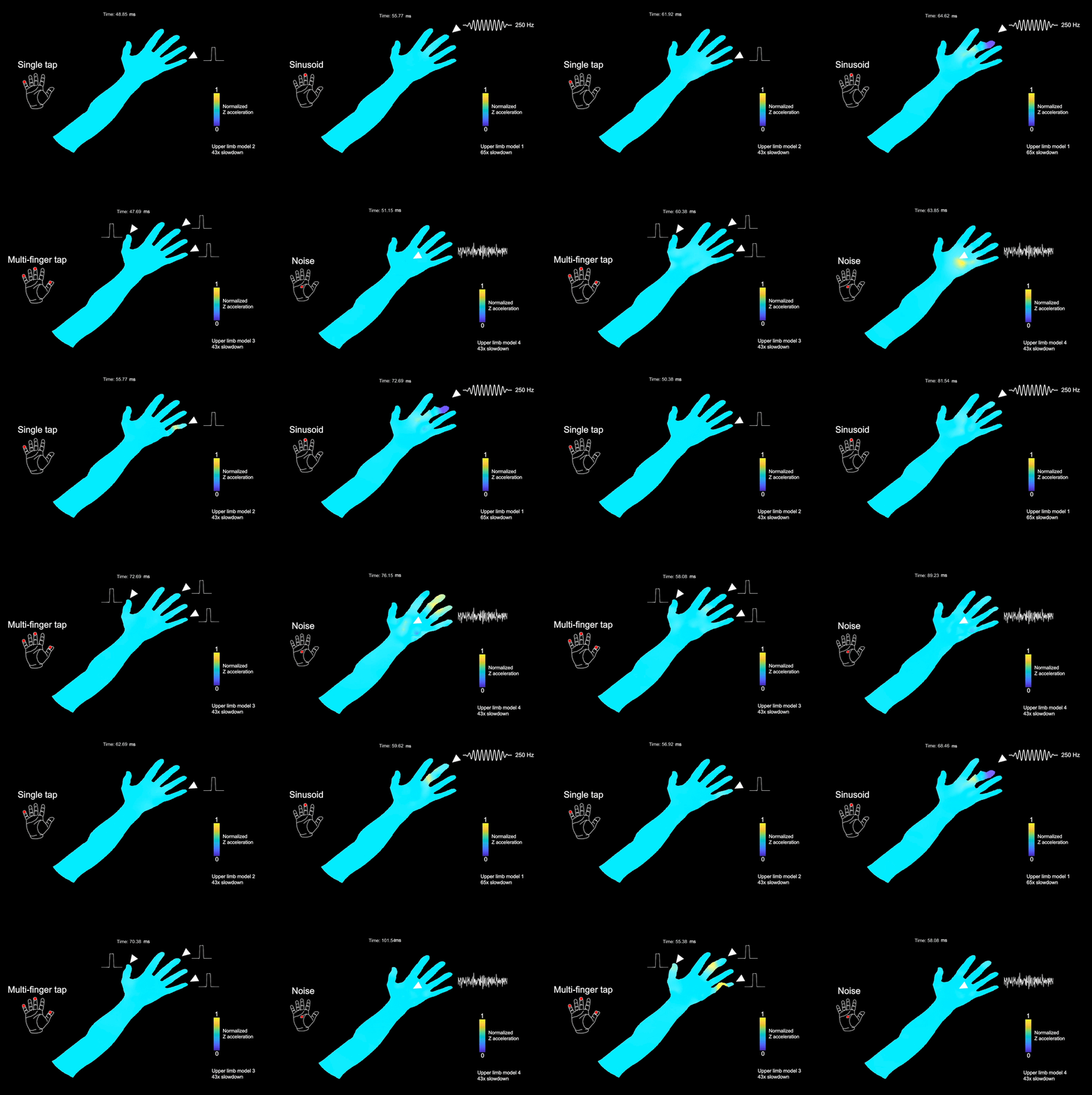
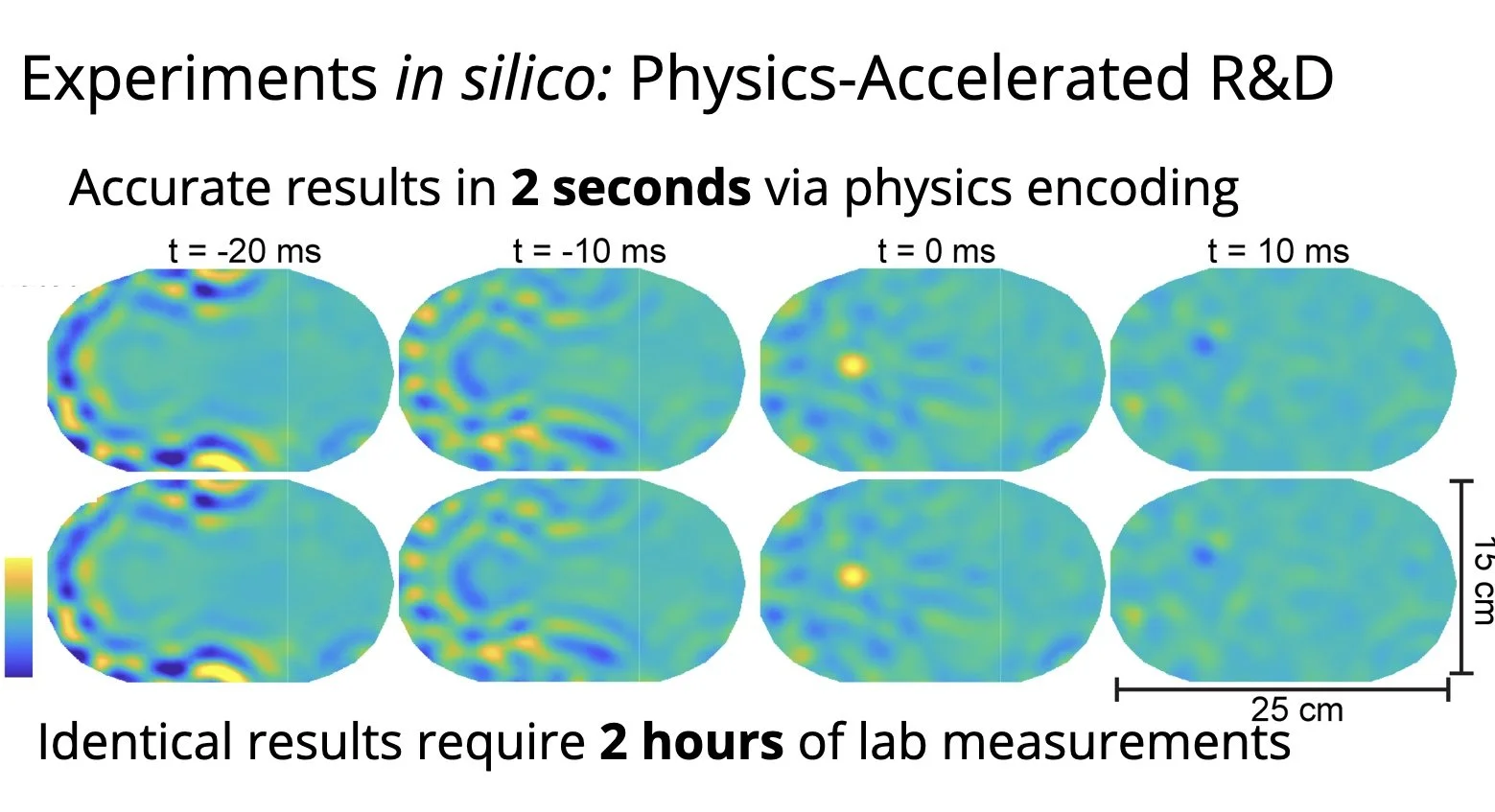
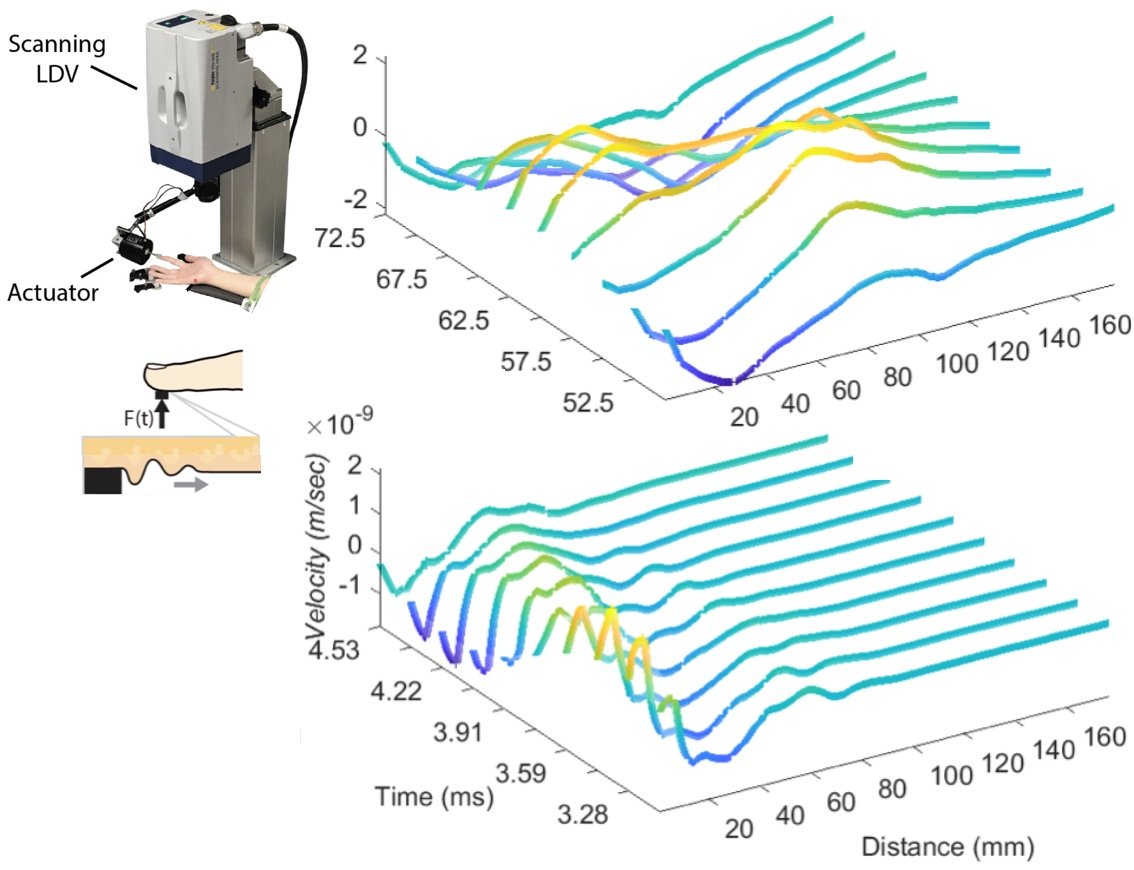
Hybrid Engineering - Perceptual and Biomechanical: We integrate mechanical imaging and perceptual methodologies to elucidate physical interactions via high resolution haptic datasets. We encode data in software and models that efficiently and accurately characterize "what the hand feels” without experiments, accelerating design and furnishing assets for optimization and ML.
We draw inspiration - in perspective, imagination, and technique - from the field of magic. Design theories and methods in magic have developed over centuries and are still rapidly advancing into the future.
Our work impacts research and industry: The lab has garnered numerous recent awards, and is at the forefront of international research in haptics. Our R&D yields practical tools and technologies, and identifies latent opportunities and interaction primitives. Alumni from the lab are working in many areas of industry R&D: haptic interaction, XR, wearables, …
One long horizon vision: Haptics can make computation real - endowing it with physical presence and agency. Computing and AI operate in vast dimensions at high speed, but remain ghosts in our world. Their presence and agency are constrained by a severe computational-mechanical output bottleneck. Relieving it, sustainably and economically, will require fundamentally new ideas (and perhaps a wish upon a star!) but could transform our world.
-
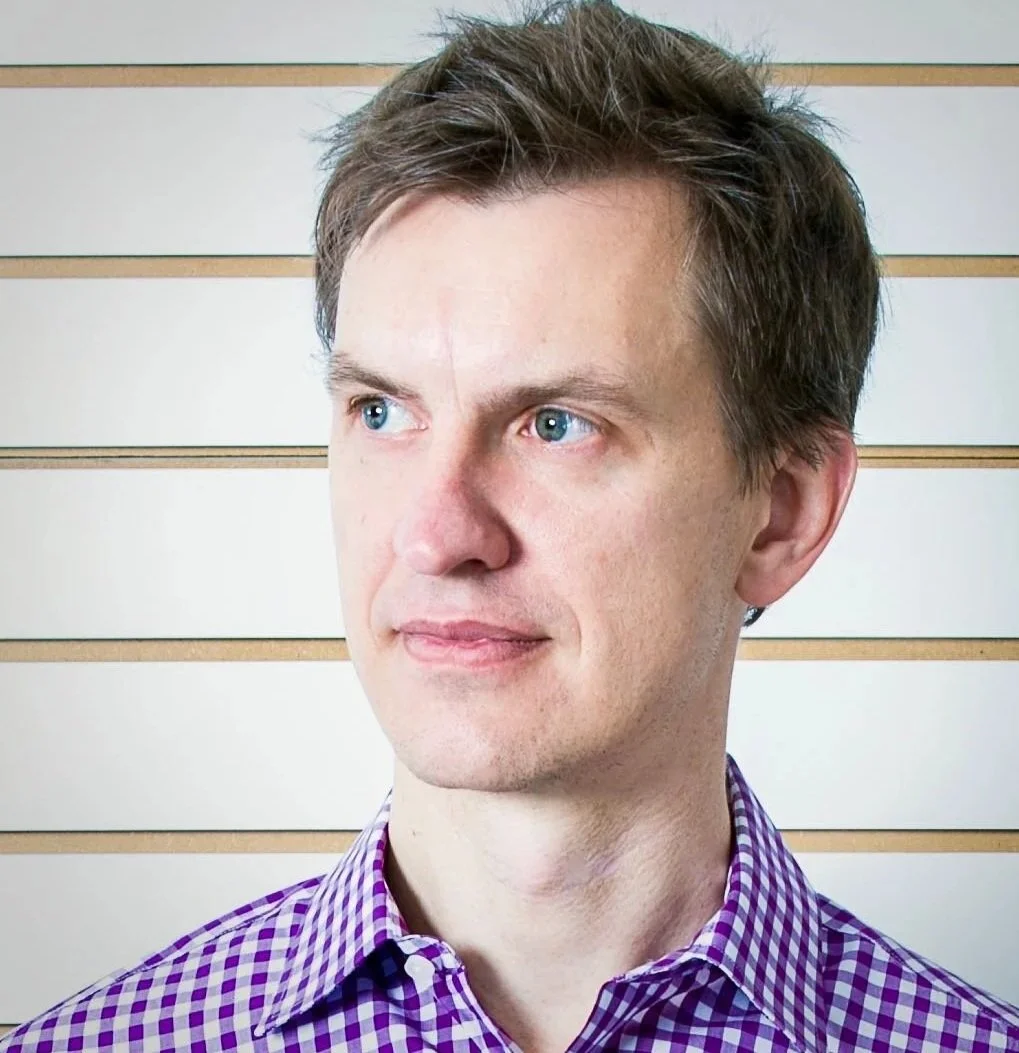
Visell is Associate Professor of Mechanical Engineering at UC Santa Barbara. His goal is to transform what is almost impossible into (practical) reality. He draws on a background spanning theoretical and applied physics, engineering, and design, and leverages fundamental principles in engineering and neuroscience. Yon has deep expertise in haptic engineering, haptic science, and robotics, and broad knowledge in multidisciplinary engineering, computation, and interactive technologies. He enjoys learning, and is a passionate student of magic. Indeed, the objective in magic is to engineer experiences that are impossible.
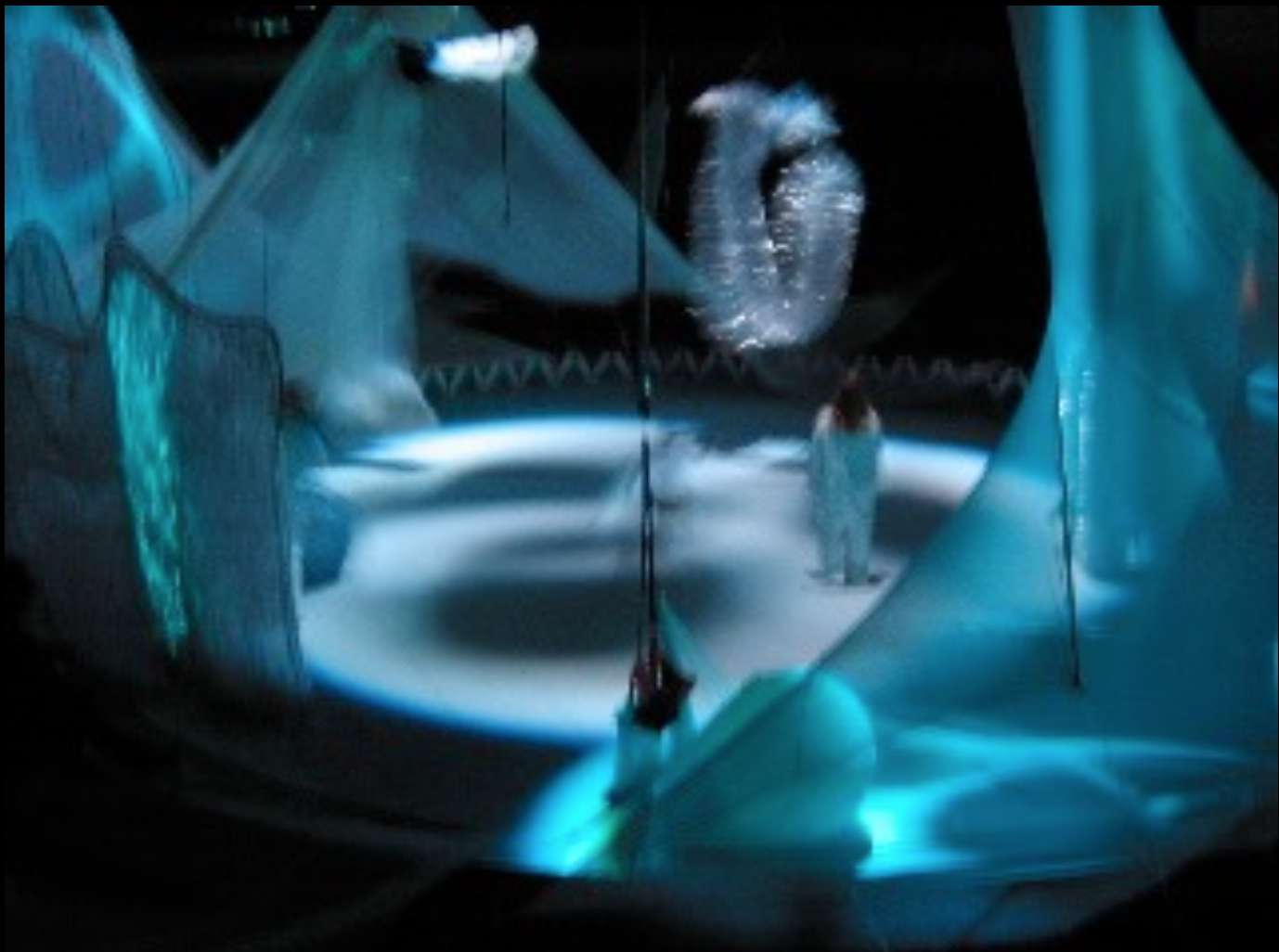
His career path runs through both industry and academia. His Ph.D. is in Electrical and Computer Engineering (McGill). His prior degrees are both in physics. Postdoc with Vincent Hayward at the Institute for Intelligent Systems and Robotics at Sorbonne. In industry, he was audio DSP lead at Ableton, creating signal processing effects that are used by bedroom producers and grammy-winny artists. Speech recognition ML R&D at Vocal Point (later acquired by Nuance). In Europe, he founded the art-technology firm, Zero-Th and worked with the pioneering arts collective FoAM, undertaking EU funded interaction design research, and realizing robotic structures and interactive architectures that were exhibited at Centre Pompidou, Ars Electronica, Phaeno, Design Biennale St-Étienne, and other venues. Sonar signal processing R&D at ARL Austin. Interaction design R&D at Interaction Design Institute Ivrea.
He has authored 95+ peer-reviewed works and multiple patents. He is recipient of the NSF Career Award, faculty research awards from Google and Meta, and several other accolades. His research garnered more than a dozen best paper or best demonstration awards in haptics from the most competitive venues in the field - the majority in the last five years. He has graduated nine Ph.D. students; two of them received the Best International Ph.D. dissertation in haptics (2020, 2025). Two are in faculty positions. Multiple alumni from his lab are in R&D or engineering at major technology companies. He has mentored many other researchers and students. His lab has received funding through multiple awards from the National Science Foundation, from private foundations, and through gifts or sponsored research projects with industry.
He has held multiple professional leadership positions in the leading academic venues in haptics: Twice General Co-Chair for IEEE Haptics Symposium, Steering Committee Member for IEEE World Haptics, editorial board member for IEEE Transactions on Haptics, among other roles.
Opportunities to engage with partners in industry - through consultation, sponsored research or donations to the lab, through visiting research exchanges, or longer term engagements - would be welcome. Yon would be happy to provide research presentations or tutorials, and would enjoy exploring opportunities for working together in the short or long term.
Contact: yonvisell@ucsb.edu , 267-800-8960 (mobile)
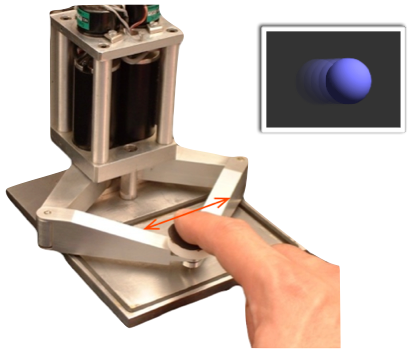
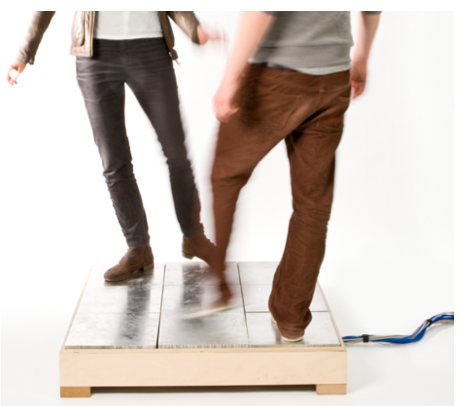
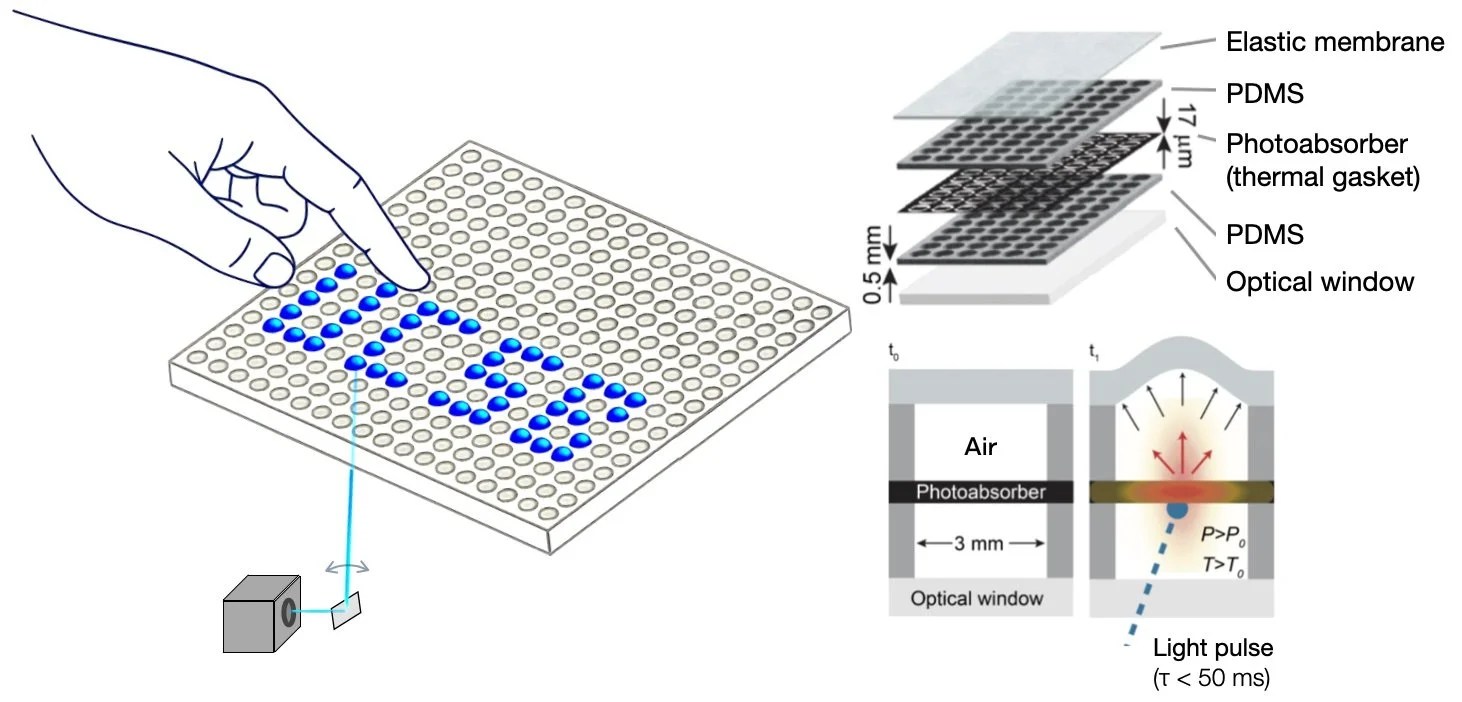
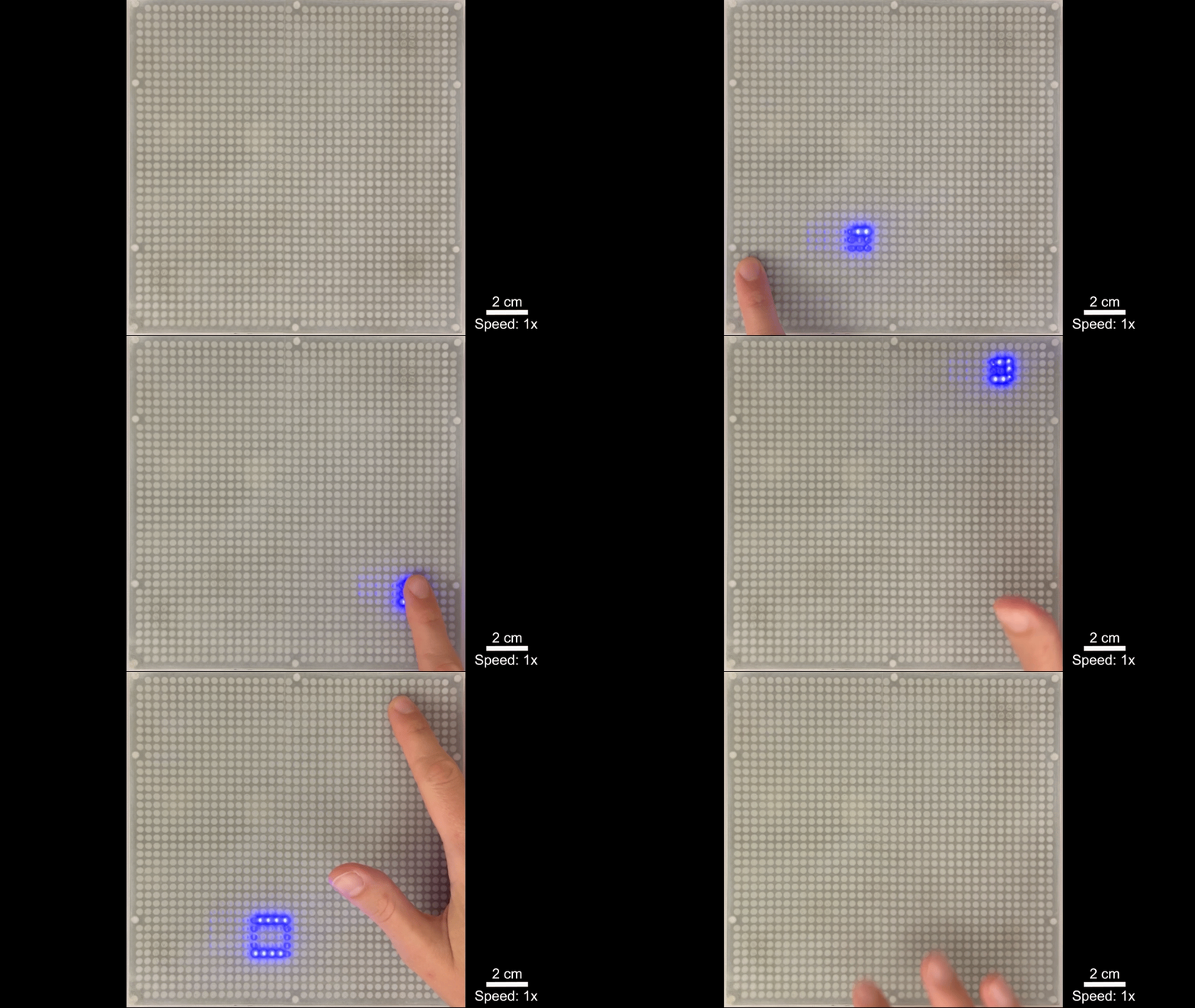
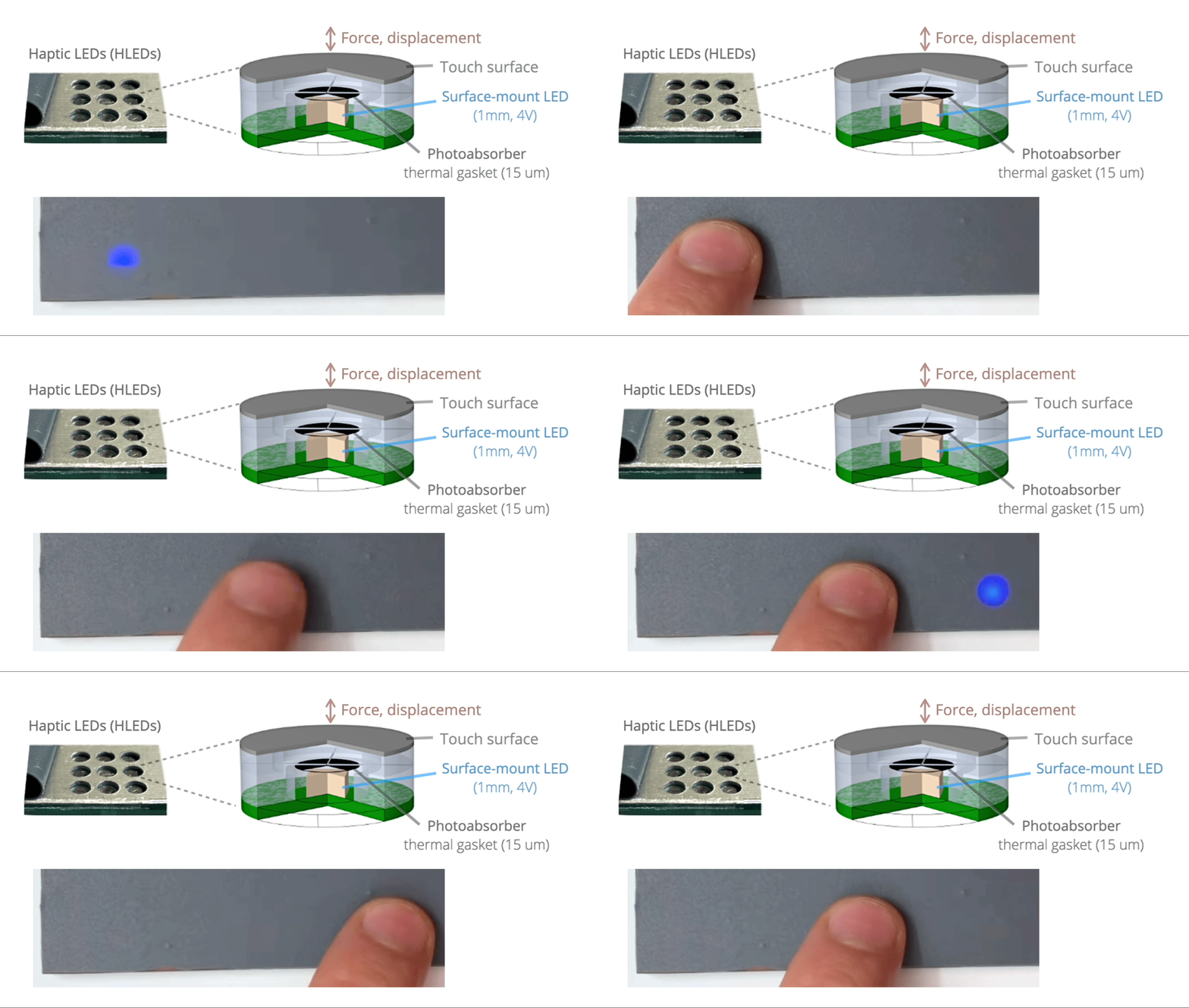
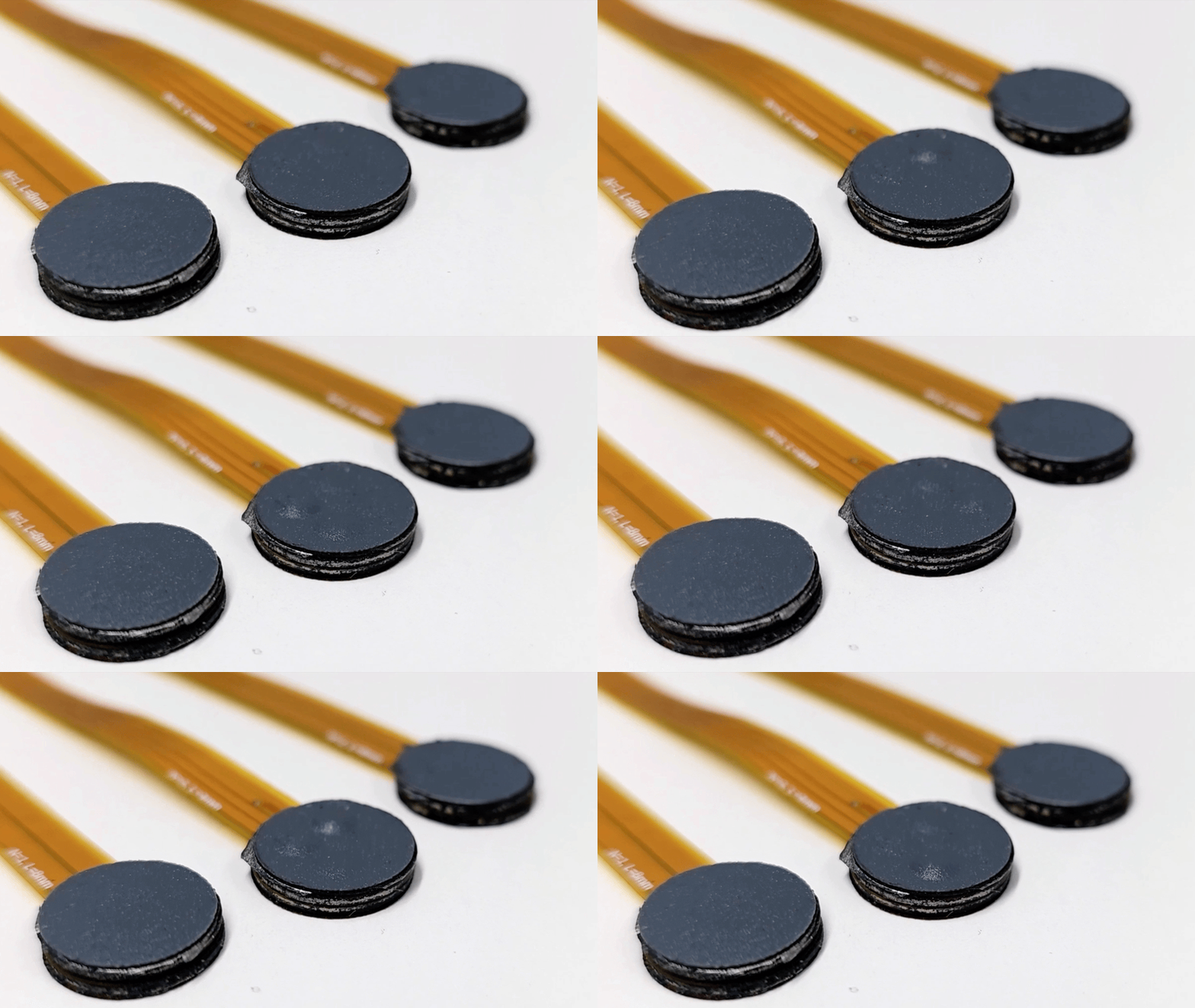
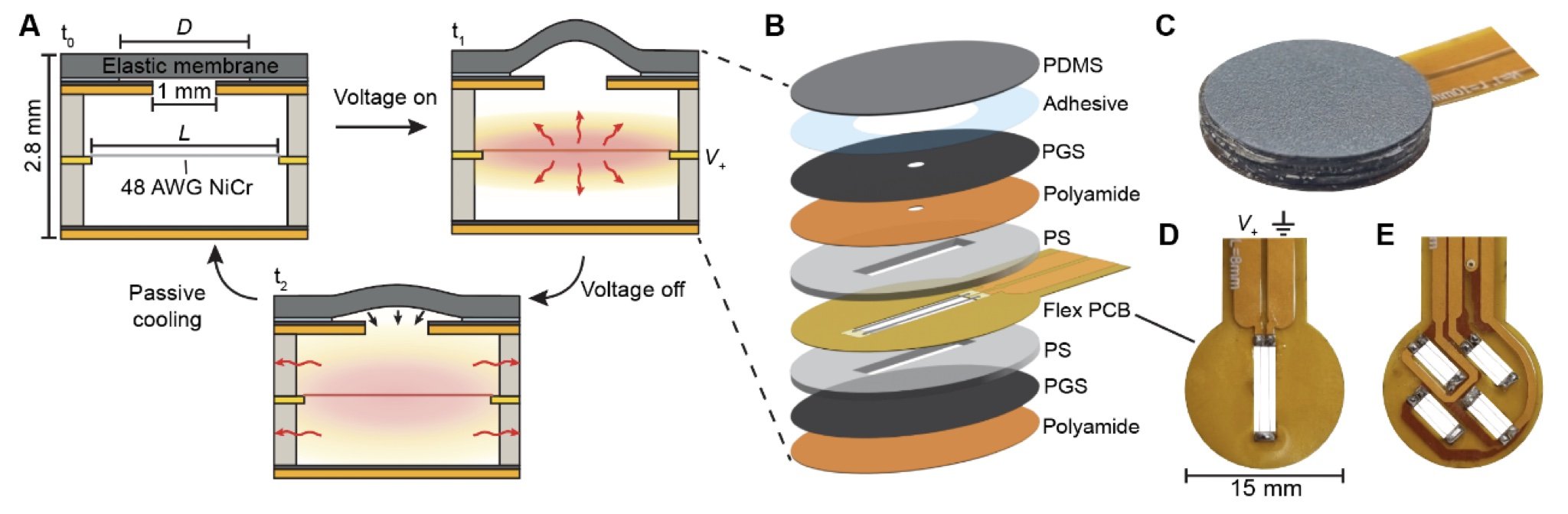
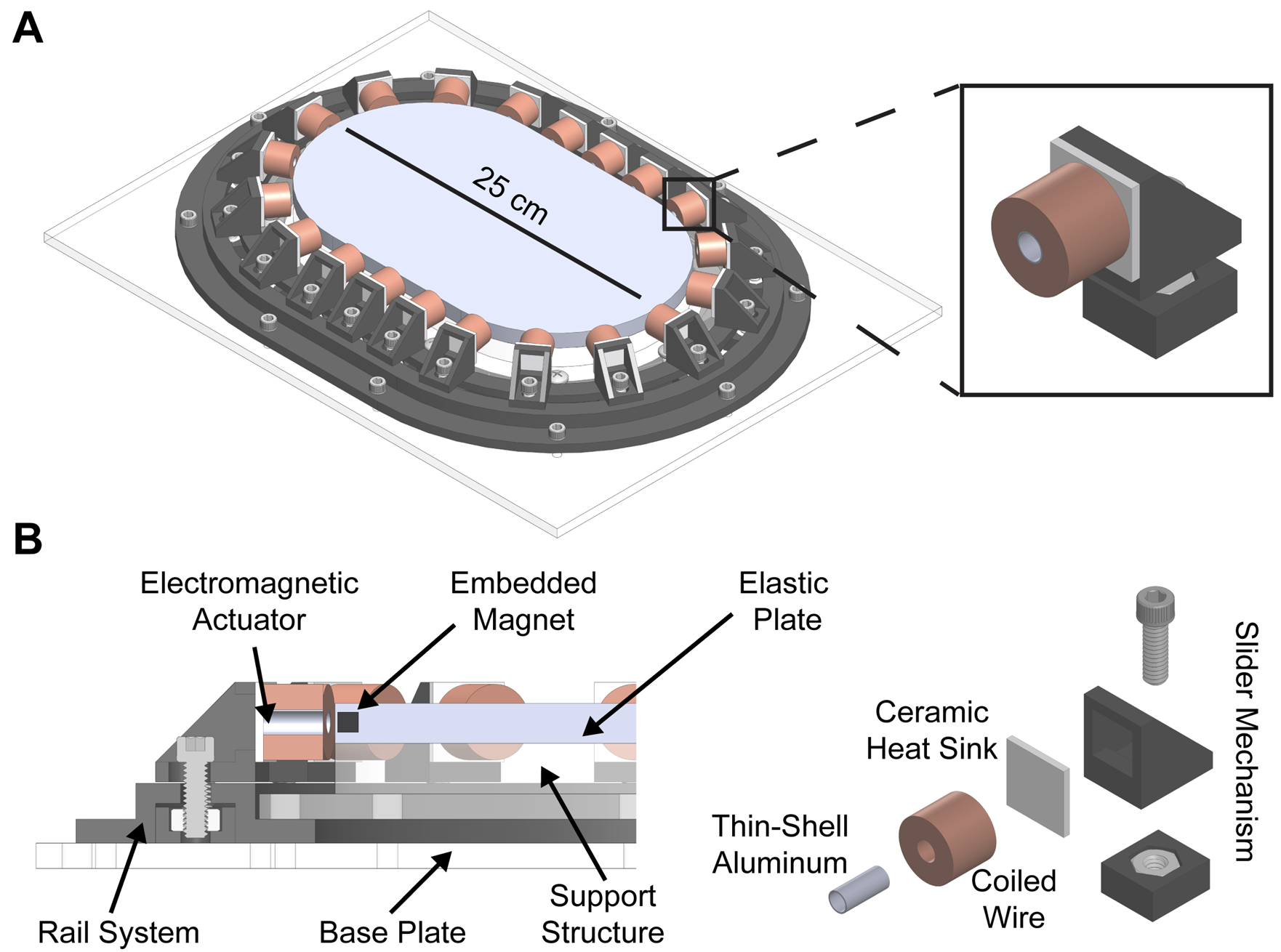
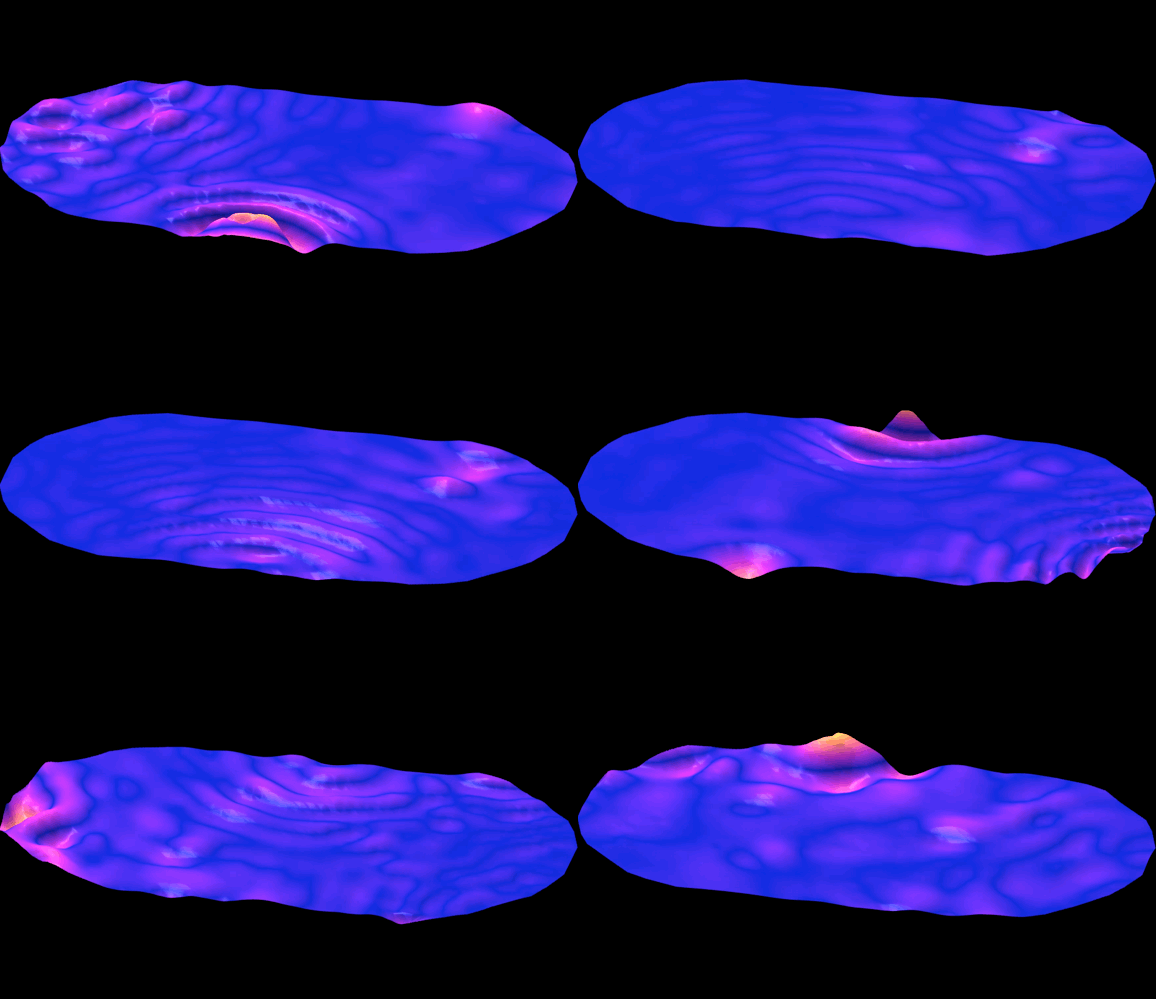
Examples of past research from the laboratory:
Yon Visell
RE Touch Laboratory
University of California, Santa Barbara
yonvisell@ucsb.edu